Understanding the psychological triggers behind gambling behavior
The Role of Reward Systems in Gambling
Understanding gambling behavior starts with the brain’s reward systems. When individuals gamble, they experience a rush of dopamine, a neurotransmitter that plays a significant role in pleasure and reward. This rush can lead to a heightened sense of excitement, encouraging individuals to continue gambling in hopes of experiencing that pleasure again. In fact, some might even seek out the best crypto casinos to enhance their experience. The anticipation of winning reinforces this behavior, creating a cycle that can lead to compulsive gambling.
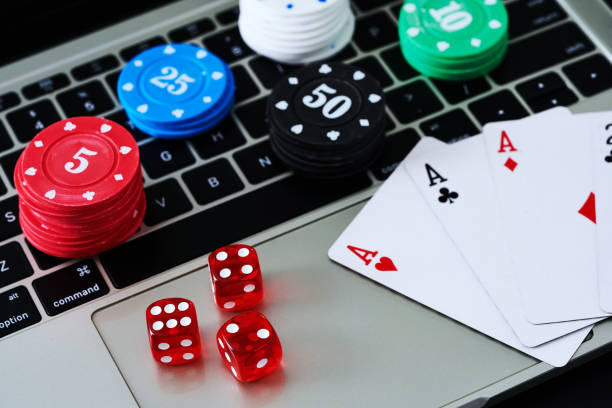
This reward mechanism is particularly potent in games of chance, where the uncertainty of the outcome amplifies the excitement. For many, the thrill of potentially winning a large sum overshadows the risks involved, making it challenging to resist the urge to gamble. The emotional highs and lows associated with gambling create a unique psychological environment that can easily lead individuals to overlook the negative consequences of their behavior.
The Influence of Cognitive Distortions
Cognitive distortions significantly influence gambling behavior, shaping how individuals perceive their chances of winning. Common thoughts include the belief that one can predict outcomes based on previous results, often termed the “gambler’s fallacy.” This cognitive bias leads players to think that certain outcomes are due, fostering a false sense of control and increasing their propensity to gamble.
Additionally, individuals often rationalize their losses, convincing themselves that they can recoup their money with just one more bet. These distortions create a cycle where gambling becomes a necessary coping mechanism, leading to increased frequency and amounts wagered. Understanding these thought patterns is crucial for developing healthier gambling habits and recognizing when gambling becomes problematic.
The Impact of Social and Cultural Factors
The social environment plays a vital role in shaping gambling behavior. In many cultures, gambling is viewed as a form of entertainment, reinforcing its acceptability and encouraging participation. The normalization of gambling through social interactions, such as family gatherings or outings with friends, can diminish awareness of the potential risks and lead to increased gambling activity.
Cultural attitudes towards risk-taking also influence gambling behavior. In some societies, taking risks is celebrated, while in others, it is viewed with caution. These cultural differences affect individuals’ willingness to gamble and how they perceive their gambling experiences, further complicating the psychological landscape of gambling behavior.
Emotional Triggers and Gambling
Emotional states significantly influence gambling decisions. For many individuals, gambling serves as an escape from stress, anxiety, or depression. The act of placing a bet can temporarily alleviate negative emotions, creating a psychological link between gambling and emotional relief. This association can lead to a reliance on gambling as a coping mechanism, making it challenging to break the cycle of gambling behavior.
Additionally, feelings of excitement and social connectedness experienced during gambling can reinforce the activity. When individuals win, the accompanying feelings of joy can solidify their emotional attachment to gambling. Understanding these emotional triggers is crucial for those seeking to modify their gambling habits or support others in doing so.

About Colbert News Hub
Colbert News Hub aims to provide timely and insightful news updates, focusing on various topics that resonate with readers. Although the site is currently facing technical challenges, it typically offers comprehensive analysis and engaging articles that delve into critical issues, including mental health and behavioral studies like gambling behavior.
The commitment to user experience is evident in Colbert News Hub’s efforts to ensure readers have access to accurate and reliable content. By addressing the complexities of various topics, including the psychological aspects of gambling, the site serves as a valuable resource for understanding the nuances behind human behavior in today’s society.