Whoa!
I mean it—DeFi moved faster than my attention span this year. Seriously? The number of chains, bridges, and approval prompts made my head spin. Initially I thought a single wallet could handle everything, but then reality hit hard and I changed my mind. On one hand it’s liberating to access many chains; on the other, the attack surface grows in ways that aren’t obvious until you’re in the weeds.
Hmm… this is where trust and tooling collide. My instinct said the problem was user confusion, not wallets. Actually, wait—let me rephrase that: the wallets are part of the problem and part of the solution. Shortcuts and UX choices that prioritize convenience often widen security gaps. So yeah, we need wallets that think like security engineers and act like friendly neighbors.
Here’s the thing.
Not all multi-chain wallets are created equal. Some are clunky and risky. Some are clever and thoughtful. Finding a balance matters very very much, especially when stakes are high and private keys are involved.
Okay, so check this out—
I’ve been testing several browser extension wallets under real conditions. I moved funds between L2s, tried NFTs on different chains, and simulated common phishing scenarios. My approach was practical, messy, and intentionally paranoid. That was useful because you notice the little things that matter: how approvals list each contract, how easy it is to revoke permissions, and how visible network switching is.
How I evaluate a wallet’s security posture
Wow!
I look for a few clear things first: explicit permission details, granular revoke controls, and strong signature confirmation UX. Next I test cross-chain behavior and how the wallet warns me when an action could be risky. I also care about failure modes—how the extension behaves if the network is down, or if a malicious site tries to inject code into the page.
I’m biased, but UX and security go together. My instinct told me to watch for misleading prompts. Something felt off about approvals that say “Approve” without contextualizing what the permission actually allows. It’s one thing to sign a harmless read-only request; it’s another to unknowingly sign away token approvals for months.
Seriously?
Yes—really. The wallet should ask smarter questions. And honestly, it should sometimes refuse to act until a human re-checks the intent. Initially I thought that would be annoying, but then I realized those pauses often prevent large mistakes. On the flip side, too many interruptions break the flow and train users to just click through, which is also bad.
Here’s a working guideline I use:
Prioritize transparency. Demand granularity. Make revocation straightforward and fast. Let users see the real contract address and provide a readable summary of what they’re approving. This sounds simple, but it’s rare in practice. Many extensions leave you in the dark until it’s too late.
A pragmatic endorsement and one practical tool
Hmm…
Okay, so check this out—after months of hands-on testing I started relying on one extension more than the others because it nailed the balance between multi-chain convenience and safety. It makes approvals clearer, surfaces risky transactions, and gives you better controls without being clunky. I mention it because if you care about serious DeFi usage, you want tooling that treats security as a first-class citizen, not an afterthought.
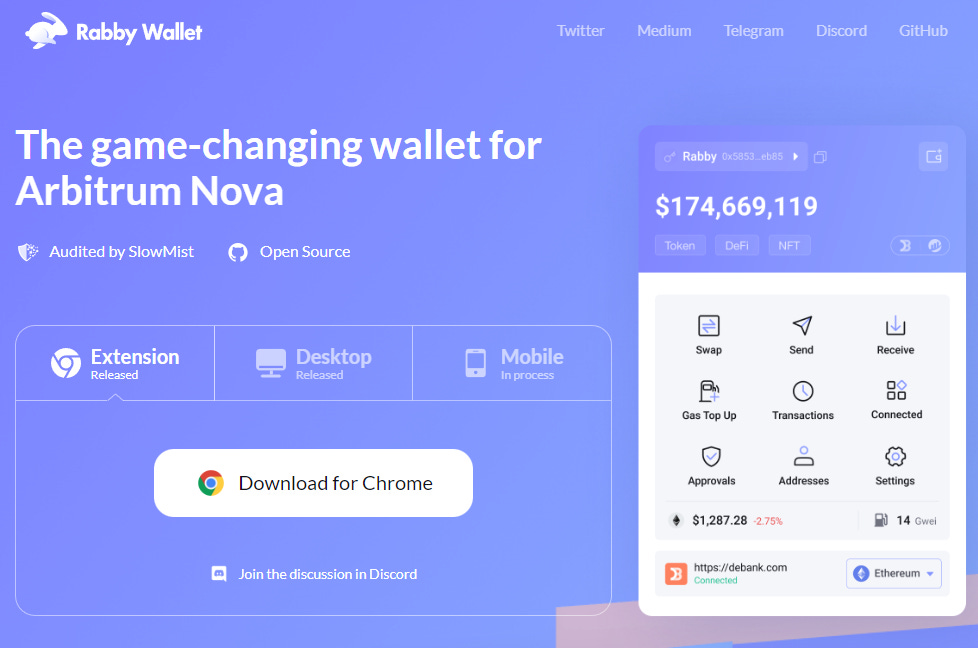
When people ask me which extension to try, I often point them towards rabby wallet because it was built with multi-chain users in mind and addresses common UX-security tradeoffs I keep seeing. I’m not saying it’s perfect; I’m saying it materially reduced my operational mistakes.
Whoa!
Not a paid plug. I’m just sharing what reduced friction for me. And yeah, I still cross-check manually for novel contracts. My method is low-tech sometimes—copy contract address, open a block explorer, confirm things—because automations can be wrong. The tool helps, but the human remains the final arbiter.
Here’s the thing.
Device hygiene matters as much as wallet features. If your laptop is compromised, no extension can save you. Use a dedicated device or at least a hardened browser profile for large moves. Consider hardware wallets for long-term storage, and use the extension for day-to-day interactions. This split feels old-school, but it works.
Wow!
Also: mind the approvals list. Revoke what you don’t need. Period. Many people have approved contracts for tokens they sold months ago. Those approvals can be abused later. It’s not glamorous, but it’s effective. I do periodic audits—sometimes weekly—depending on activity.
On one hand, auto-revocation features sound cool. On the other, they can break legitimate workflows. Though actually, a smart wallet gives you options: suggested revoke intervals and bulk-revoke tools with clear warnings. That’s the sweet spot. You want smart defaults without removing user agency.
Seriously?
Yep. And if you trade across chains, watch bridge approvals like a hawk. Bridges introduce new trust assumptions and sometimes opaque processes. My tests found weird UX choices where the bridge asks for broad allowances in small-font text. That bugs me. It should be obvious what you’re consenting to.
I’m not 100% sure about everything.
There are gray areas like how to handle delegated signing and meta-transactions. Initially I thought delegating signing would be unsafe, but then I saw use-cases where it enabled better UX without destroying security. The nuance matters. A one-size-fits-all rule rarely holds. Wallets need to explain trade-offs so users make informed choices.
Here’s the thing.
Regulation and market forces are nudging wallets to improve. Institutional custody practices influence retail expectations too. But until standards converge, choose a wallet that gives you clarity and control. Prefer extensions that offer clear revoke flows, readable approval screens, and easy ways to verify what signed messages actually do.
Common questions I get
How often should I audit approvals?
Weekly if you trade often. Monthly if you don’t. And immediately after interacting with a new dApp or bridge. It takes five minutes and can save you a lot of headache.
Are browser extension wallets safe enough?
They can be, but safety depends on your habits. Use a hardened browser profile, keep extensions to a minimum, and combine an extension with a hardware wallet for big funds. Also, be suspicious of any site that pressures you to sign immediately—take a breath and verify.